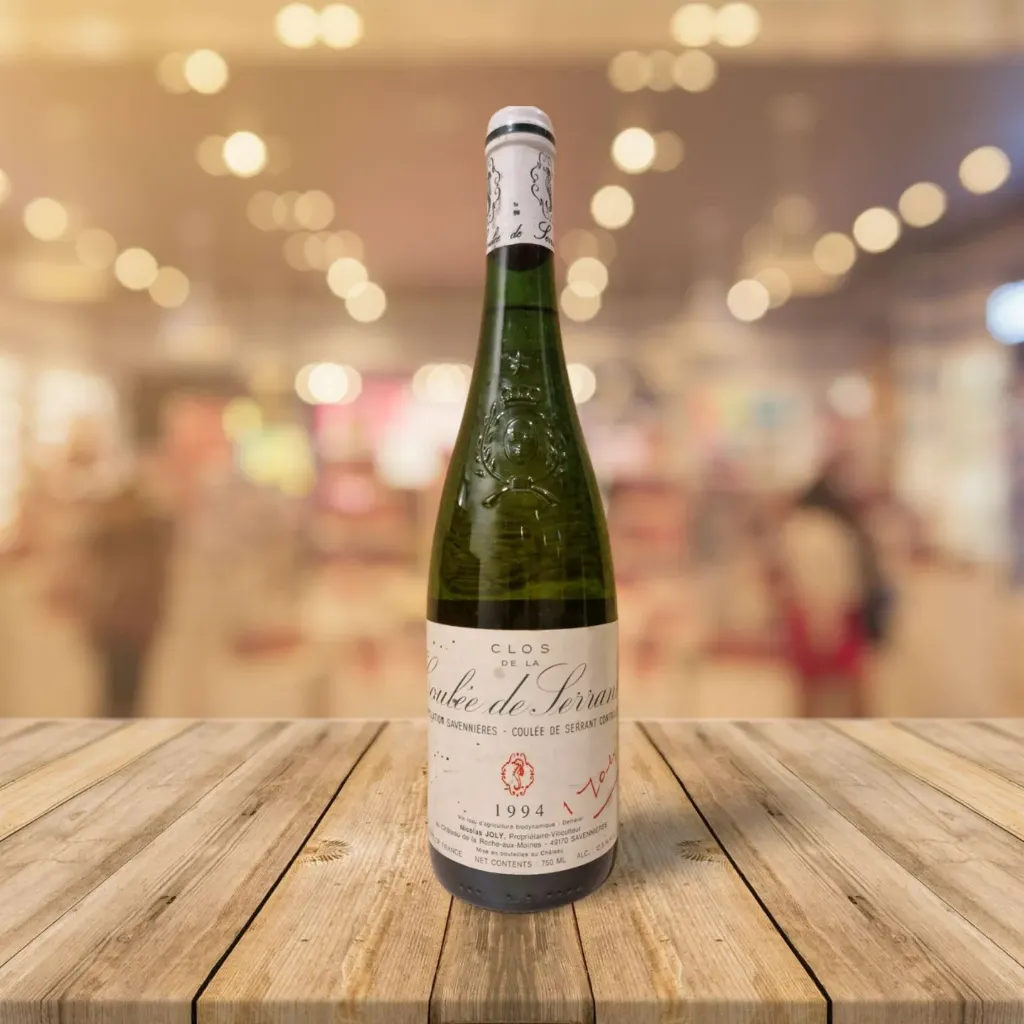
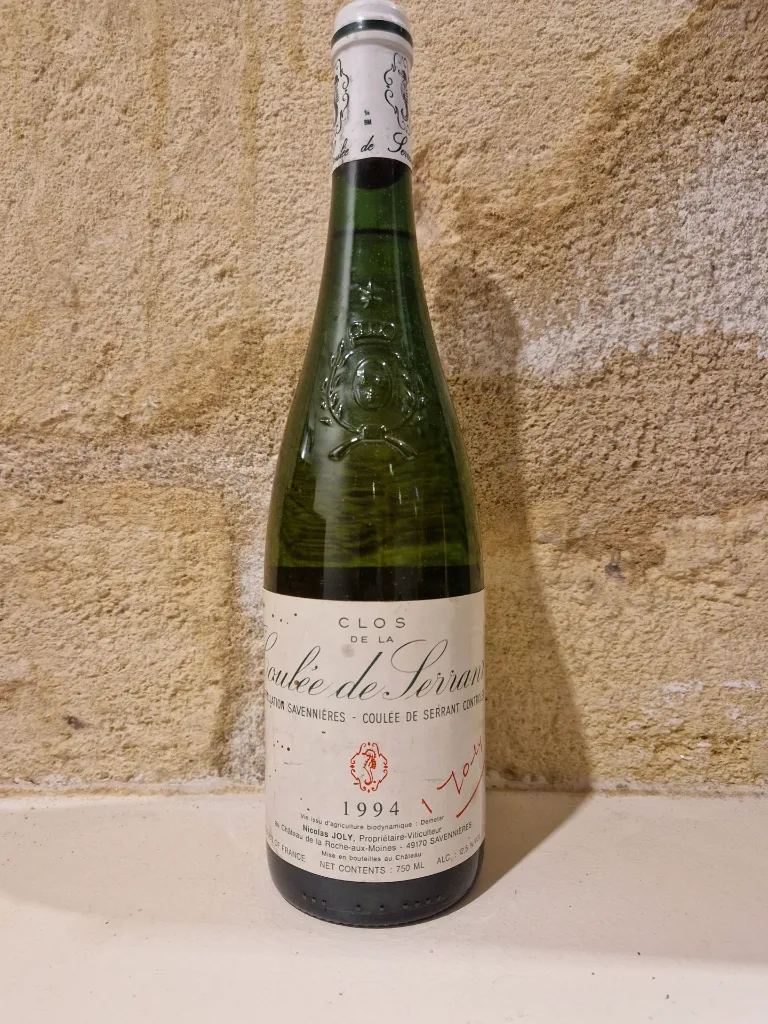
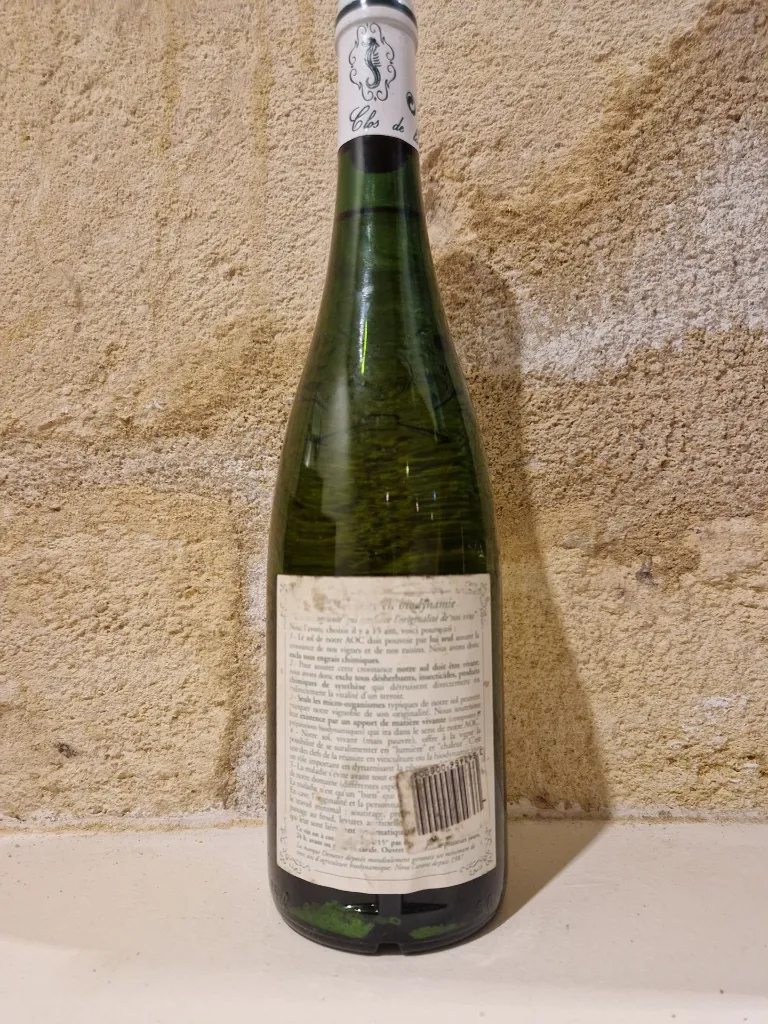
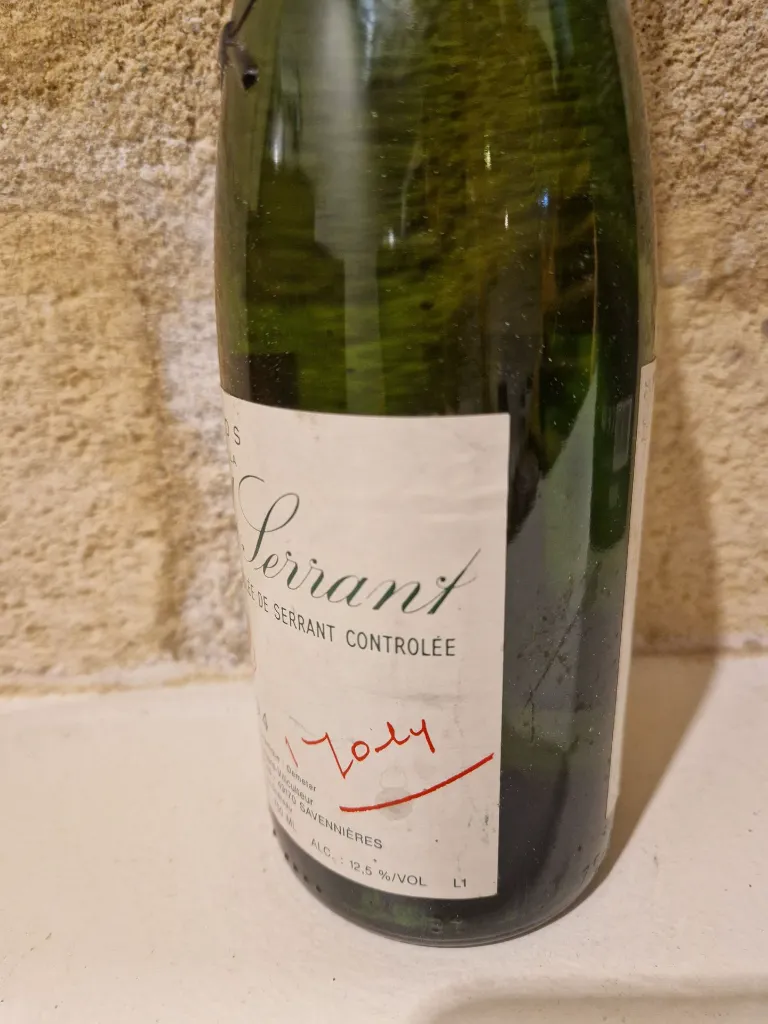
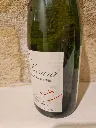
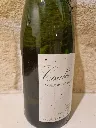
The Producer
The estate of Nicolas Joly is located in Savennières, in Anjou, on the hills overlooking the Loire. The family history is closely linked to the Château de la Roche aux Moines, which Nicolas Joly took over in 1977 after working in banking in New York and London. Very quickly, he questioned the conventional agricultural practices in place and became interested in biodynamics. From the early 1980s, he gradually converted his vineyards to this approach, until he led the entire estate to biodynamics starting in 1984. He thus became one of the great figures of wine biodynamics, well beyond the Savennières appellation.
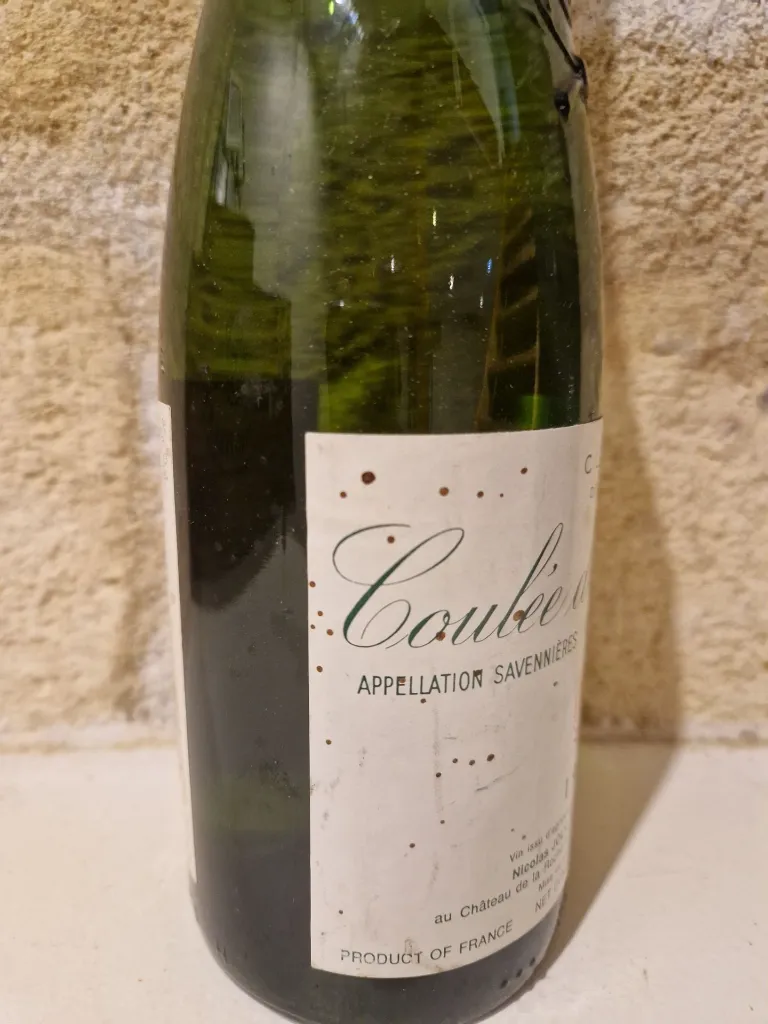
The estate covers about 15 to 16 hectares, planted exclusively with Chenin Blanc, and is divided among three terroirs and three cuvées. The most famous is of course La Coulée de Serrant, a 7-hectare monopoly that constitutes an appellation in itself, planted on extremely steep slopes of schist and quartz overlooking the Loire. Next to it, the Clos de la Bergerie, 3.2 hectares in Savennières-Roche-aux-Moines, also rests on soils of schist and quartz. Finally, Les Vieux Clos, on 5.5 hectares in the Savennières appellation, completes the property. The vines, from mass selections and sometimes several decades old, are worked partly by hand and with horses when the slope requires it. In the cellar, each plot is vinified separately, with indigenous fermentations and limited interventions: no chaptalization or inoculation, little new wood, and aging that seeks above all to let the terroir speak.
Today, Nicolas Joly remains the emblematic figure of the estate, notably accompanied by his daughter Virginie Joly, who participates in the continuity and management of the property. But his influence far exceeds his own hectares: in 2001, he founded Renaissance des Appellations, an international association bringing together winemakers committed to biodynamic viticulture and to a conception of wine as an expression of a place. Nicolas Joly has also written and taught extensively about biodynamics, making his property a true laboratory for this viticultural philosophy. Through La Coulée de Serrant, the Clos de la Bergerie, and Les Vieux Clos, he defends a single idea: to produce wines that primarily express the soil, the plant, and the vintage, with as few interventions as possible that could mask their origin.
The Wine
Total area: 7 hectares, steep slopes mostly facing South
Planted in 1130 by Cistercian monks and always remained in vine since, 2015 is the 885th consecutive harvest.
Soil work partly done by horse.
Average age of the vines: 35/40 years, the oldest vines are 80 years old.
Grape variety: chenin blanc in mass selections.
Soil: schist, quartz.
Biodynamic agriculture since 1981 with control.
In the cellar:
Élevage en fûts de chêne pendant 6 à 8 mois (bois neuf limité à 5%)
Indigenous yeasts.
No chaptalization, no re-yeasting, no temperature control.
1 to 2 rackings, bâtonnage.
Very light filtration known as "pre-filtration" most of the time.
Light sulfiting before bottling.
Tasting
A tasting note would not be enough to describe Coulée de Serrant, which is one of the greatest white wines in the world. It is an experience more than a tasting. The wine is capable of giving huge emotions both young and after 40 years in the bottle.
The ideal is to open it 24 hours before serving, and definitely not to serve it too cold. 12 to 14 degrees is more than sufficient.