The Producer
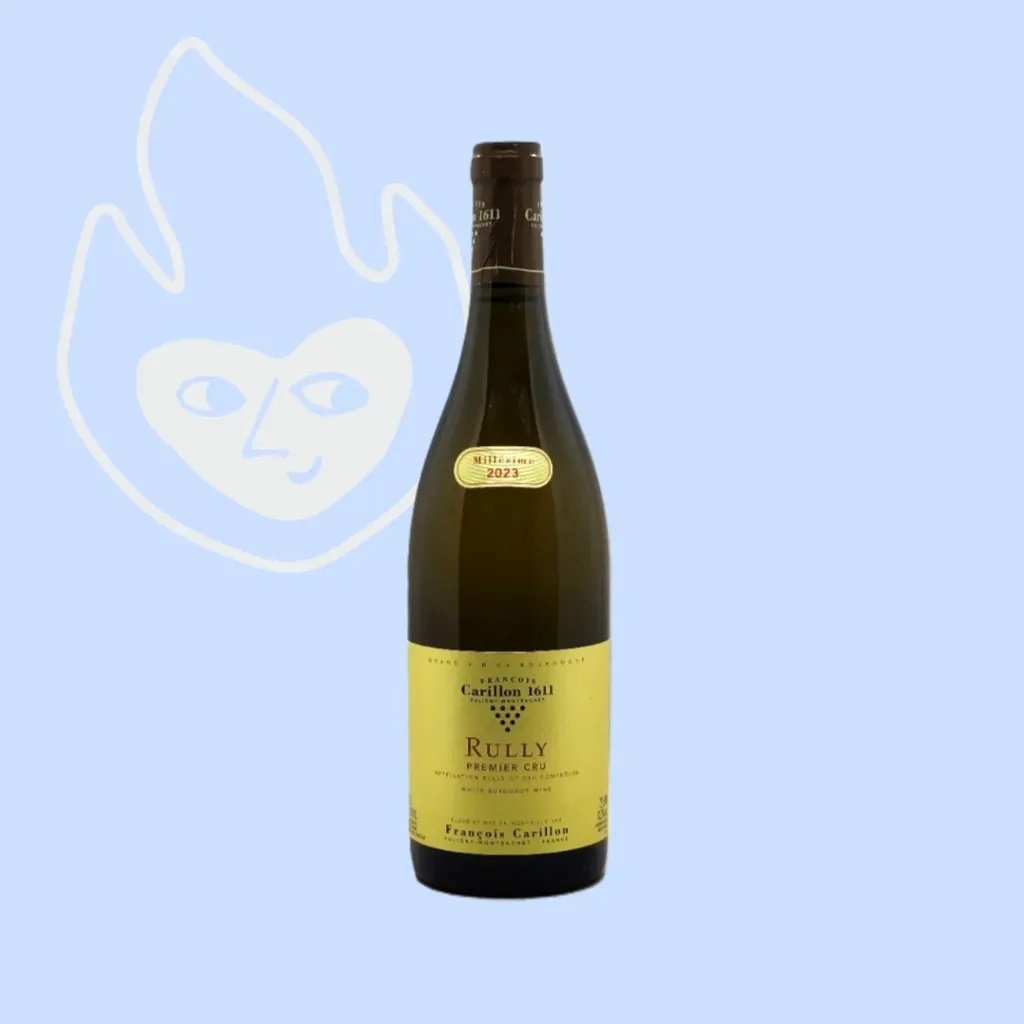
 The Domaine François Carillon is located in the heart of Puligny-Montrachet, in the Côte de Beaune, and is part of a particularly ancient family history: the Carillon family has been cultivating vines in Puligny for nearly five centuries, with traces of the family dating back to 1520. The current estate was created in 2010, when François Carillon separated from his brother Jacques and took over part of the family vineyard. Since then, he has been developing his own identity around a very parcel-based approach and a constant search for precision.
The estate currently operates a little over 16 hectares mainly spread between Puligny-Montrachet, Chassagne-Montrachet, and Saint-Aubin. About 90% of the land is planted with Chardonnay, the rest being shared between Pinot Noir and Aligoté. The range is particularly wide with around twenty cuvées, including ten Premiers Crus, among which are Les Combettes, Les Perrières, Les Folatières, and Les Champs-Gain in Puligny-Montrachet. Vineyard work is a priority for François Carillon, with particular attention paid to the specific characteristics of each plot. In the cellar, the whites are notably aged in oak barrels before joining, for certain cuvées, stainless steel tanks to regain freshness and tension. The estate thus produces wines that seek less power than balance, purity, and precision of the terroir.
Today, François Carillon still manages the estate he created in 2010 and works with a team of about a dozen people. He also supports the transmission of his know-how to his four children, placing the estate in the continuity of this family story that began several centuries ago. His style is based on a simple idea: to be a "humble companion of the terroir," adapting to the particularities of each plot and each vintage. This philosophy results in particularly fine, elegant, and precise white wines, with a quest for balance that constitutes the estate's signature.
The Wine
Aging in barrel including 15% new oak, the wines remain for a period of one year in cask, where alcoholic fermentation as well as malolactic fermentation occurs, then they are placed in a blending tank for a period of 5 months.
Tasting
Subtle nose. Palate: lively on the attack and rounder on the finish. Notes of white flowers. Subtle oak.
After opening, still white flowers, lilac, cherry blossom. Buttery without being opulent.
Advice: decant the wine in its youth, ideal with white fish in white sauce.