
The Producer
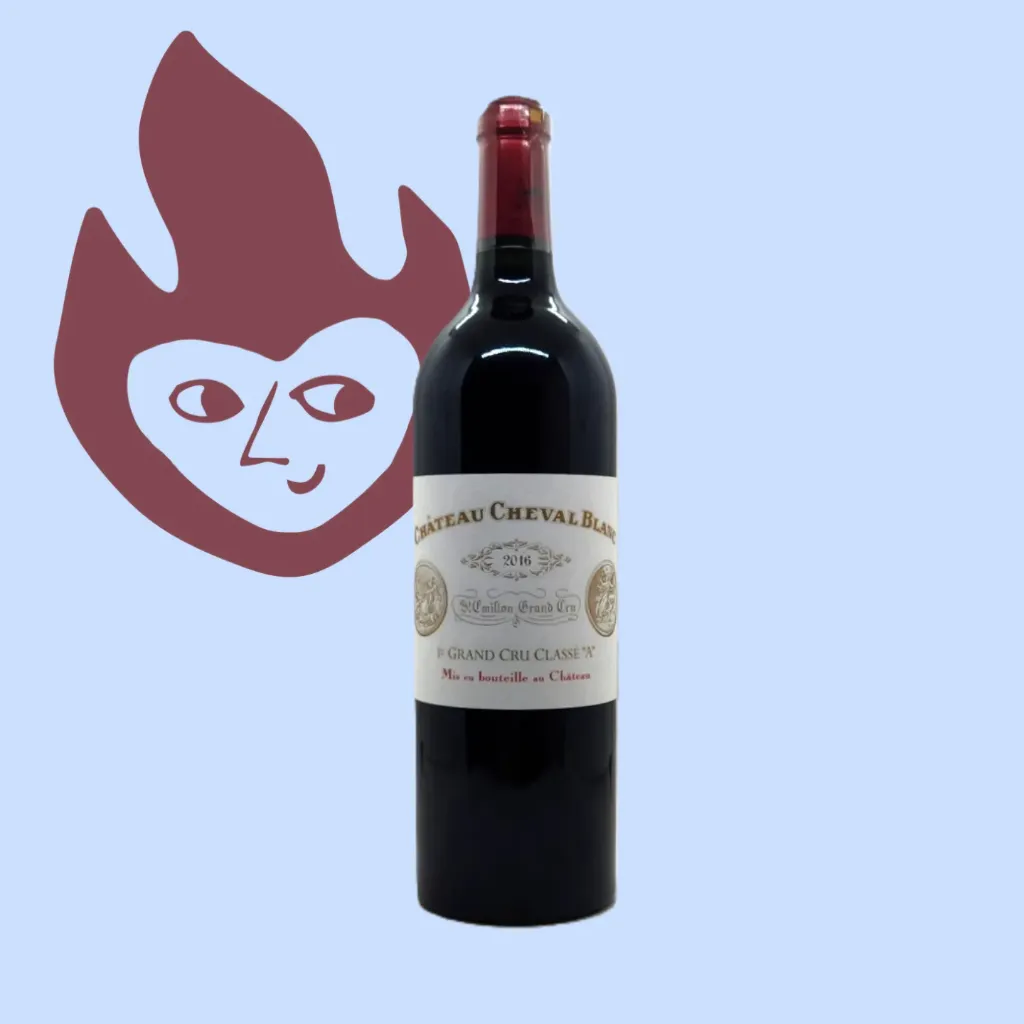
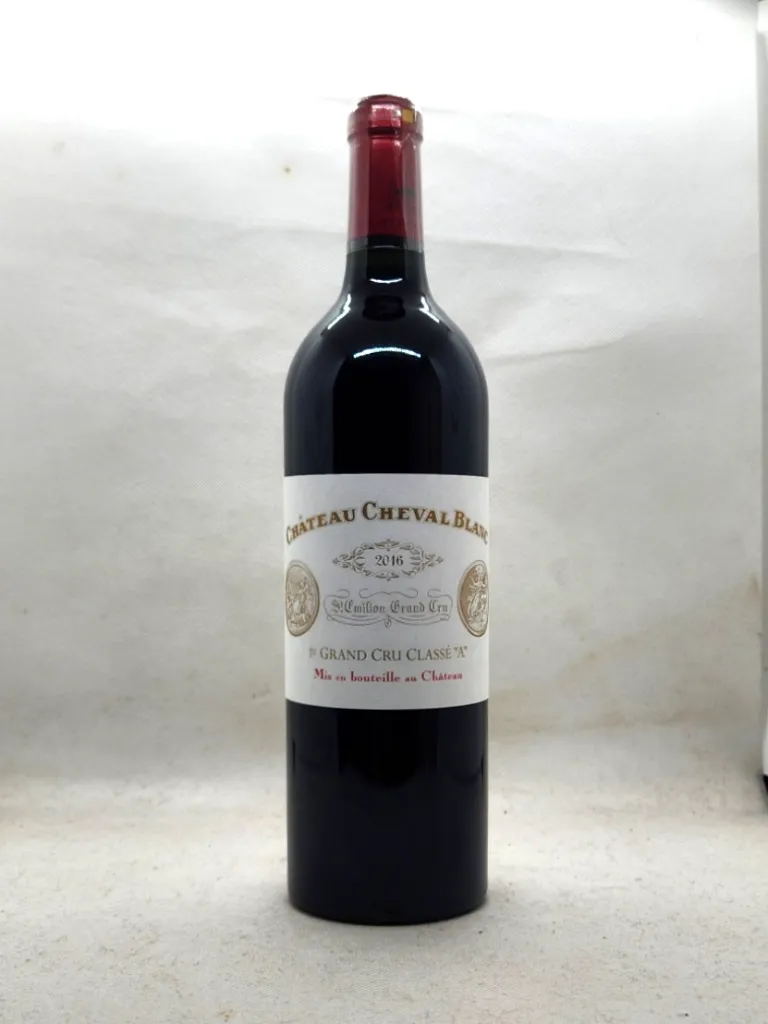
Château Cheval Blanc, located in Saint-Émilion, is one of the most prestigious estates in Bordeaux. Its history began in the mid-19th century when Jean Laussac-Fourcaud set out to combine several plots from Figeac and other neighboring properties. Quickly, the estate established itself thanks to the vision of its owners and the constant pursuit of a balance between tradition and innovation. By the end of the 19th century, Cheval Blanc had gained an international reputation, solidified by its classification as Premier Grand Cru Classé A in 1954, a status it would maintain until the reorganization of the classification in 2022.
The Cheval Blanc vineyard extends over approximately 39 hectares at the border between Saint-Émilion and Pomerol, a unique location that partly explains the uniqueness of its wines. The terroir is a subtle blend of clays, gravel, and sands, offering perfect drainage and exceptional diversity of microclimates. This rare marriage allows for an expression that is both elegant and powerful, where the cabernet franc, the emblematic grape of the estate, reveals all its finesse, complemented by merlot for roundness and depth.
Today, Château Cheval Blanc is owned by LVMH (Bernard Arnault) and Albert Frère, two major figures in the business and luxury world. Under the technical direction of Pierre Lurton, the estate upholds a philosophy of absolute excellence: sustainable viticulture, parcel-by-parcel vinification, and attention to detail. The winery, designed by architect Christian de Portzamparc, embodies this modernity in service of tradition. Each vintage of Cheval Blanc expresses a rare harmony between power, aromatic complexity, and freshness, confirming its status as a legend among the great wines of the world.
The Wine
The main principles of vinification at Cheval Blanc are based on the fresh maturation of the grapes, pure parcel vinification, gentle extraction, long maceration, manual pump-overs, and a single racking during 4 weeks of fermentation. Malolactic fermentation takes place in tank, and then the wines are aged in barrels.
Tasting
On the first nose, notes of cherry, raspberry, blackberry, blackcurrant, violet, rose, peony, and lilac. With aeration, peppery, spicy, almost caramelized notes.
Creamy and voluminous attack, mid-palate with powerful but enveloping, elegant, voluminous, and refined tannins.
The balance between the tannins and acidity gives this wine all its character and provides it with an endless, fresh, and fruity length.
Scores and Notes
100
Wine Advocate
99
James Suckling
98
Bettane & Desseauve
18/20
Jancis Robinson