The Producer
Located in Lugon-et-l'Île-du-Carnay, right on the banks of the Dordogne, Château de la Vieille Chapelle revolves around an ancient Romanesque chapel from the 11th century, a witness to a past that is both religious and commercial linked to the transport of wine by river. The estate was taken over in 2006 by Fabienne and Frédéric Mallier after a long quest for meaning and place. Their project immediately goes beyond simple wine production: it is about building a coherent living space, blending vineyard, hospitality, and agricultural commitment, in a deeply family-oriented and autonomous logic.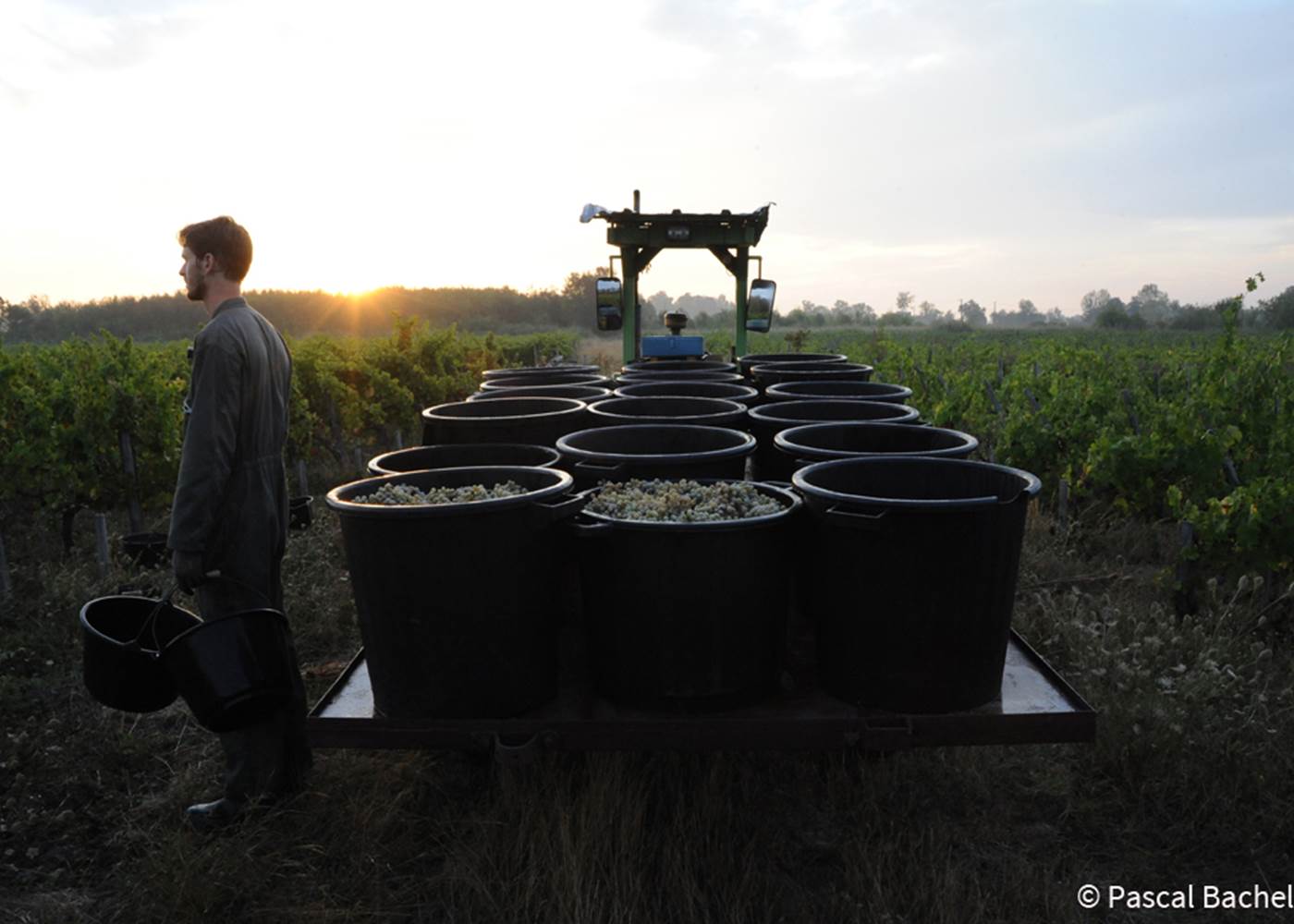
The vineyard is located on alluvial soils of the Dordogne, composed of deep fine clays and silts rich in organic matter, offering a living and fertile structure. The proximity of the river plays a determining role, creating a regulating microclimate and favoring the water balance of the vines. But here, the terroir is not limited to a pedological reading: it is considered as a global system. The estate has gradually abandoned all synthetic chemistry (herbicides since 2008, pesticides since 2009) to evolve towards certified organic farming in 2013, and then towards Demeter certified biodynamics in 2017.
In this approach, the vine is considered a living organism integrated into a larger ecosystem: soils, plants, animals, and cosmic influences interact continuously. The work focuses on the vitality of the soils, with natural preparations, work rhythms aligned with natural cycles, and a desire to strengthen biological balances. The goal is not only to avoid inputs but to recreate an autonomous agricultural system, capable of self-regulating and fully expressing its identity.
Today, Château de la Vieille Chapelle embodies a committed and coherent vision of Bordeaux viticulture. Biodynamics is not limited to the vine: it structures the entire estate, from agricultural practices to hospitality (short circuits, natural materials, holistic approach to living systems). The Malliers also seek to revive ancient and forgotten grape varieties, in a logic of diversity and resilience. The winemaking is conceived in continuity with this agricultural work, with minimal intervention to preserve the expression of the vintage and the place.
The resulting wines stand out for their energy, their honesty, and a form of sincerity rarely achieved in Bordeaux of this category: living wines, in the truest sense, that reflect both an agricultural vision and a style.
The Wine
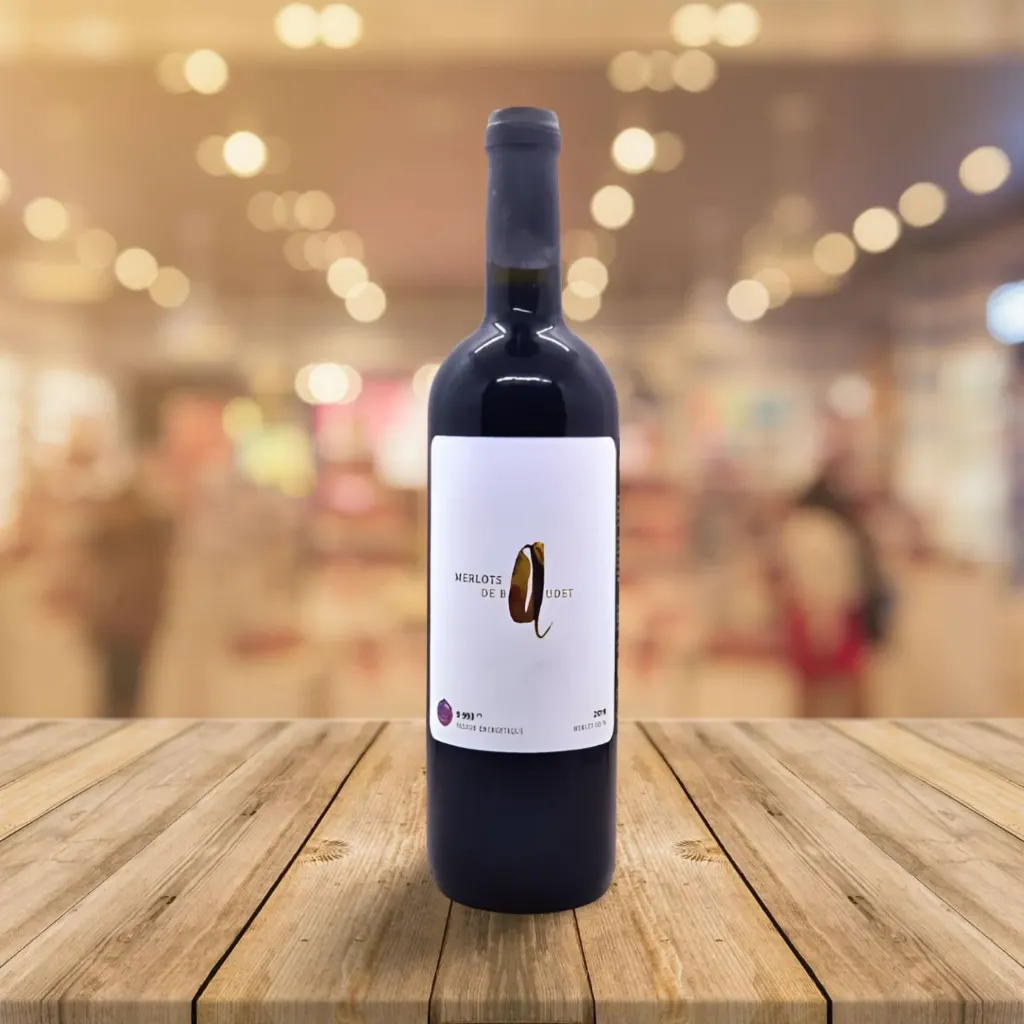
Small plot of Merlot planted by Mr. Baudet in 1940!
Vinification: Fermentation with indigenous yeasts. Vinified and aged in raw concrete tanks. Aged in French oak barrels (Berthomieu) for 6 to 10 months. Never in new barrels. Unfined, unfiltered wine. Low sulfite content (between 25 and 40 mg/L).
Tasting
Complexity with a first velvety and fruity mouthfeel, followed by crunchy tannins. Very nice length.
Average annual production: 10,000 bottles (75 cl)
Food and wine pairing: Chocolate cake, grilled red meat, and duck breast.