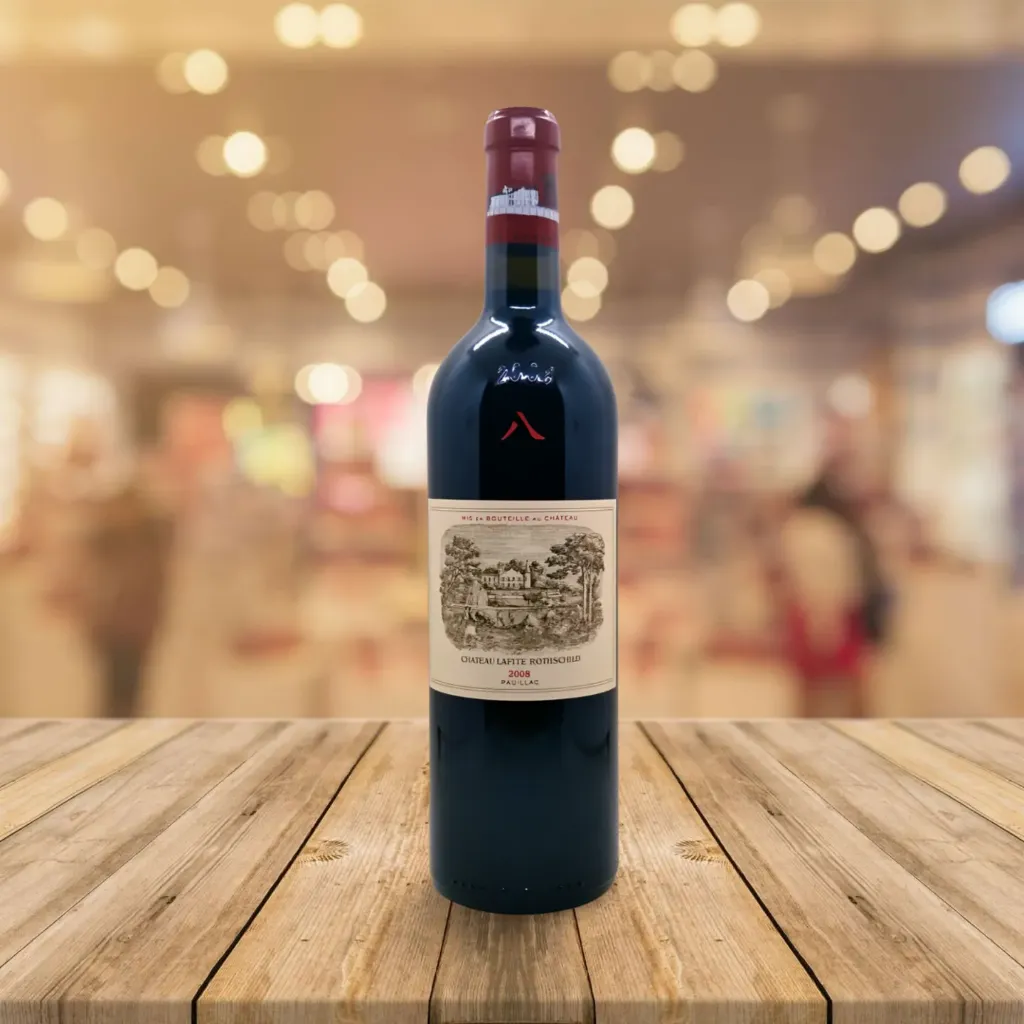
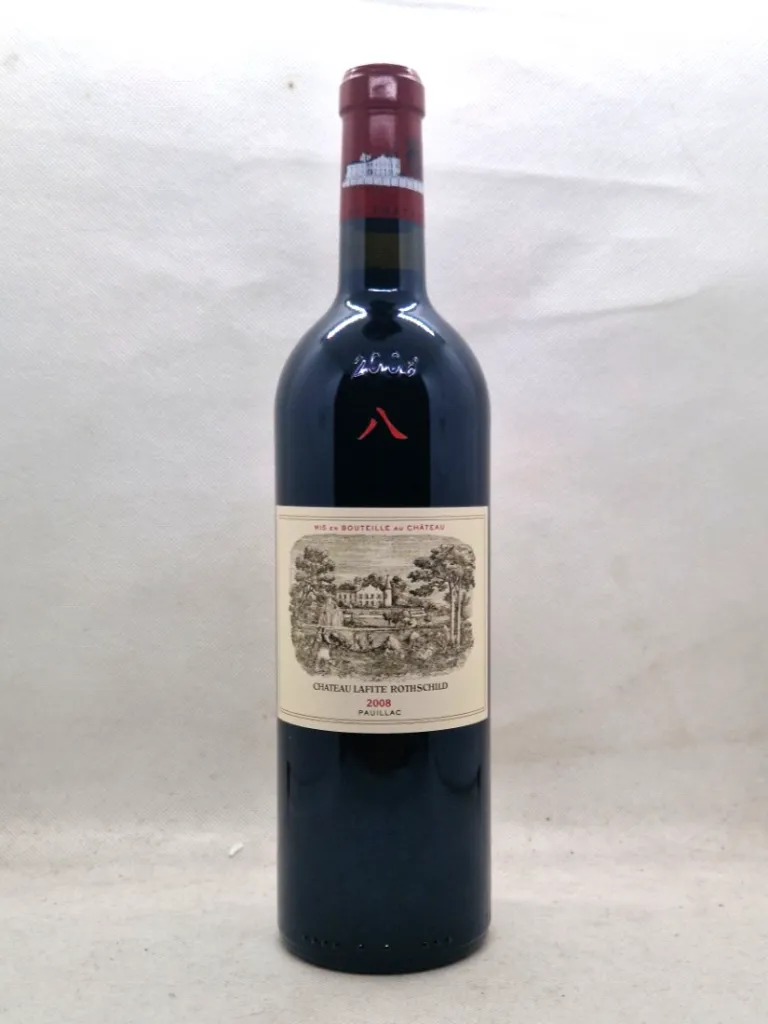
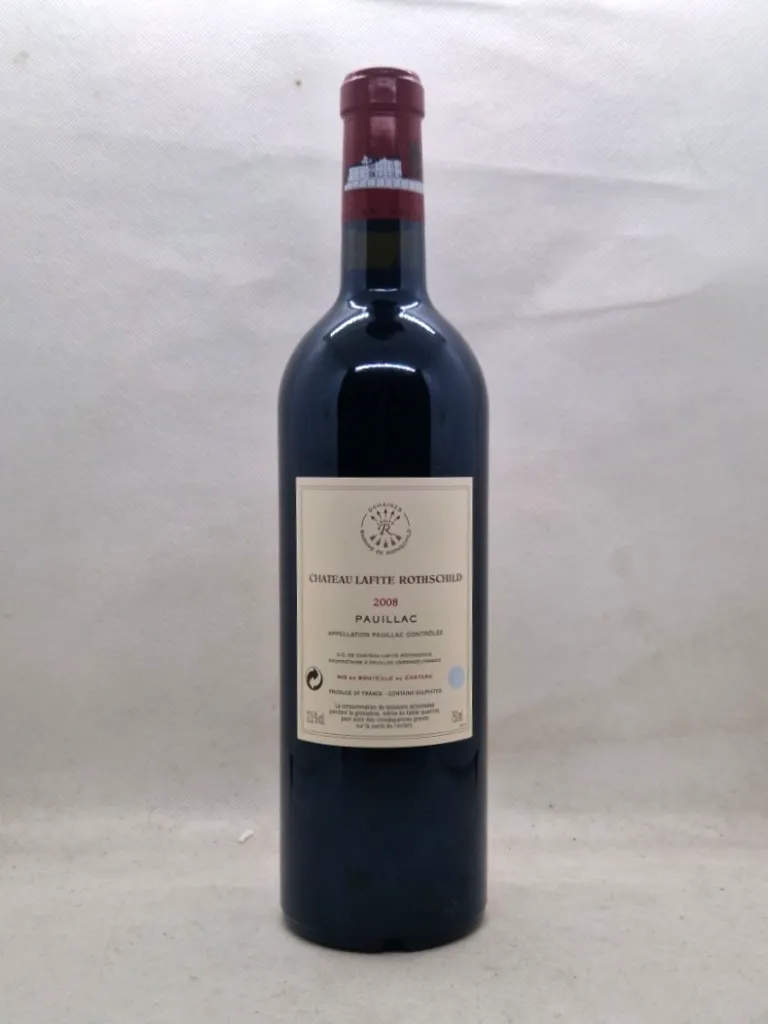
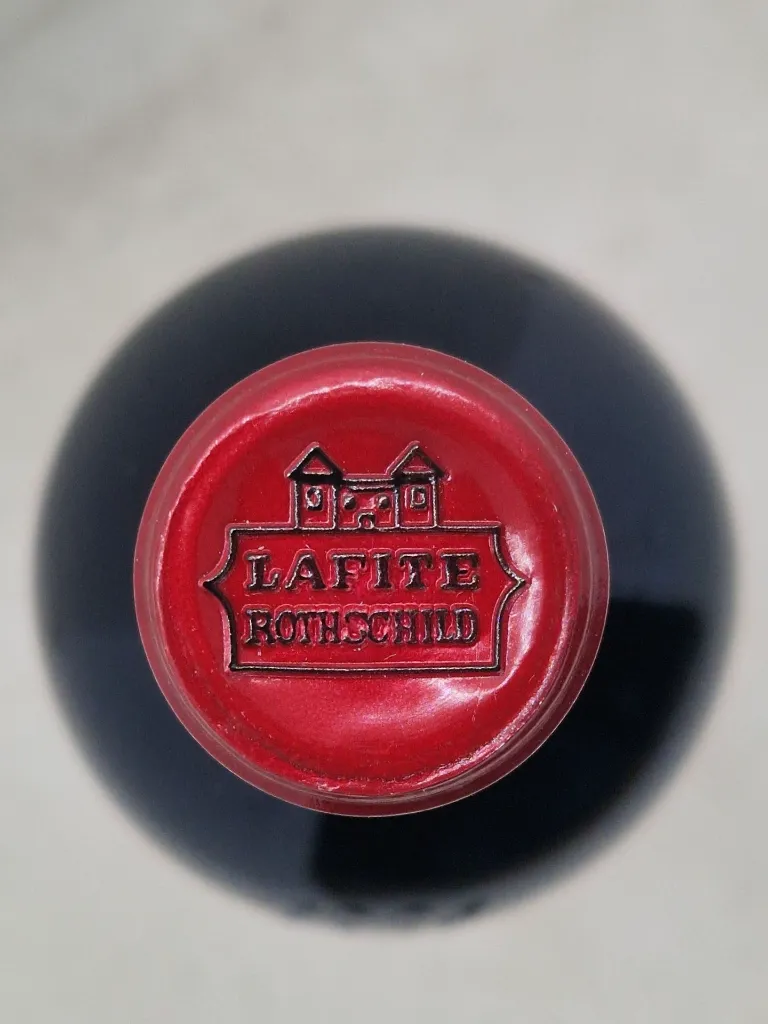
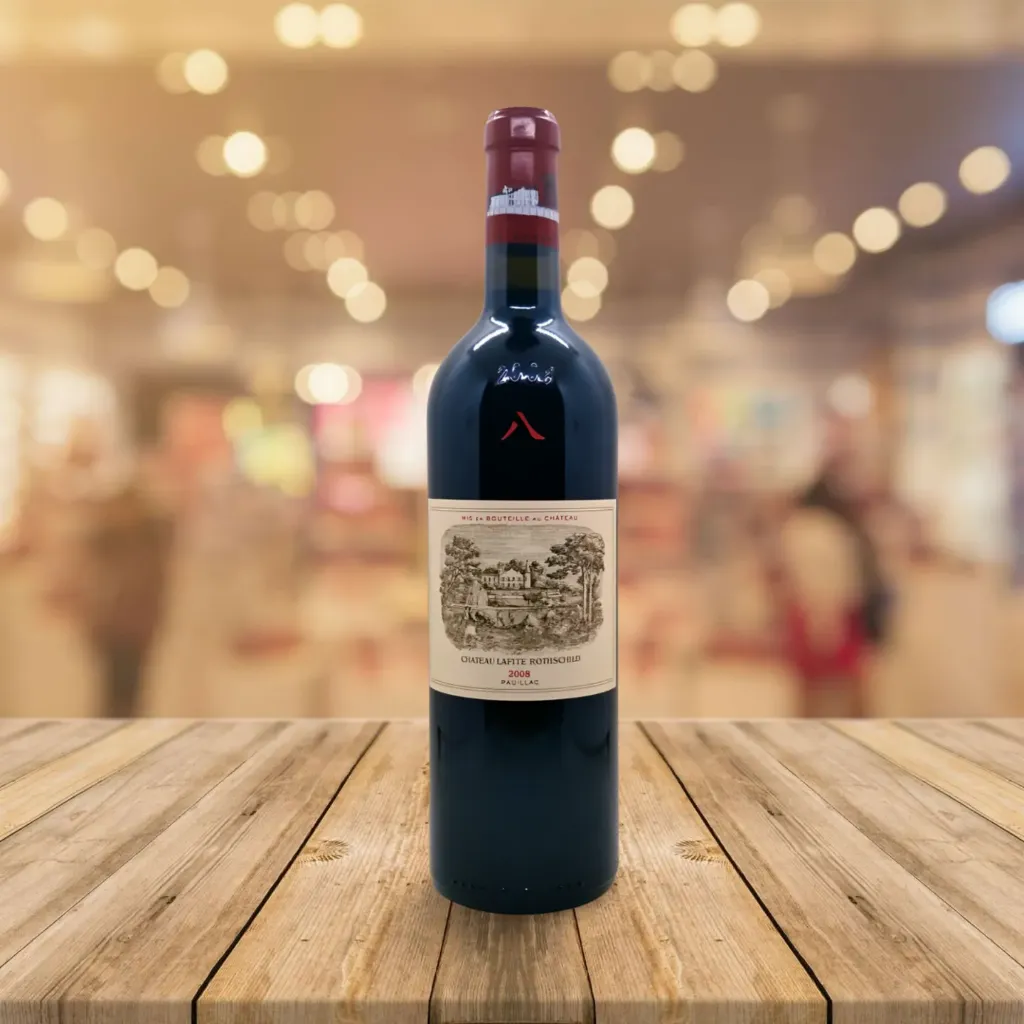
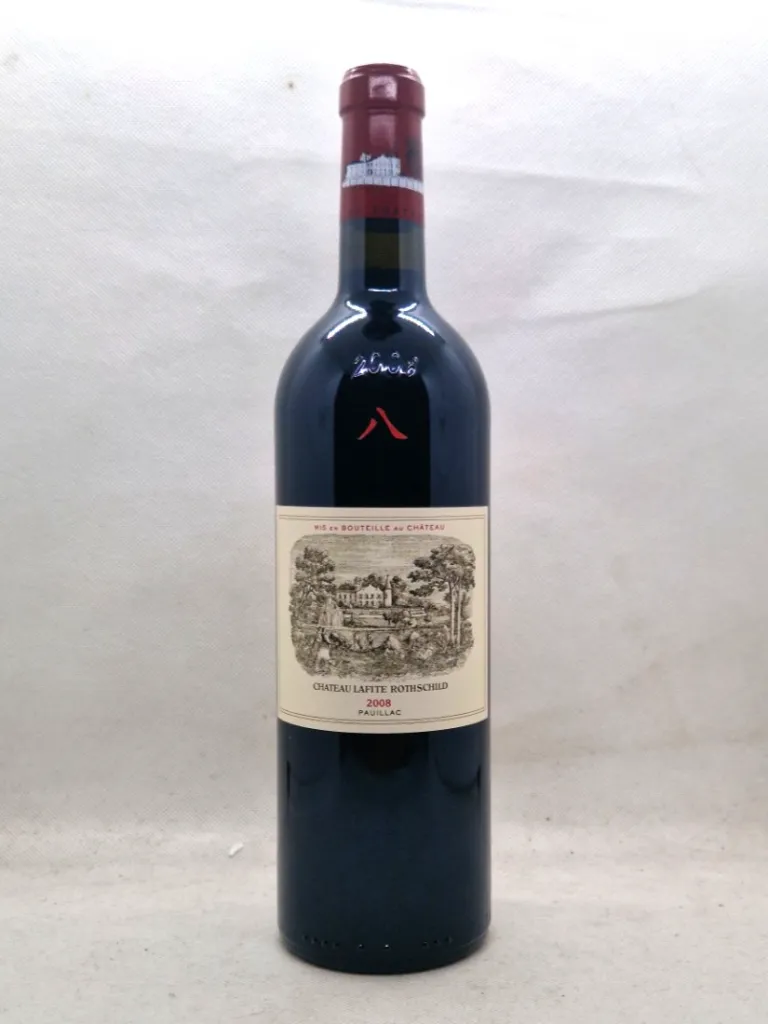
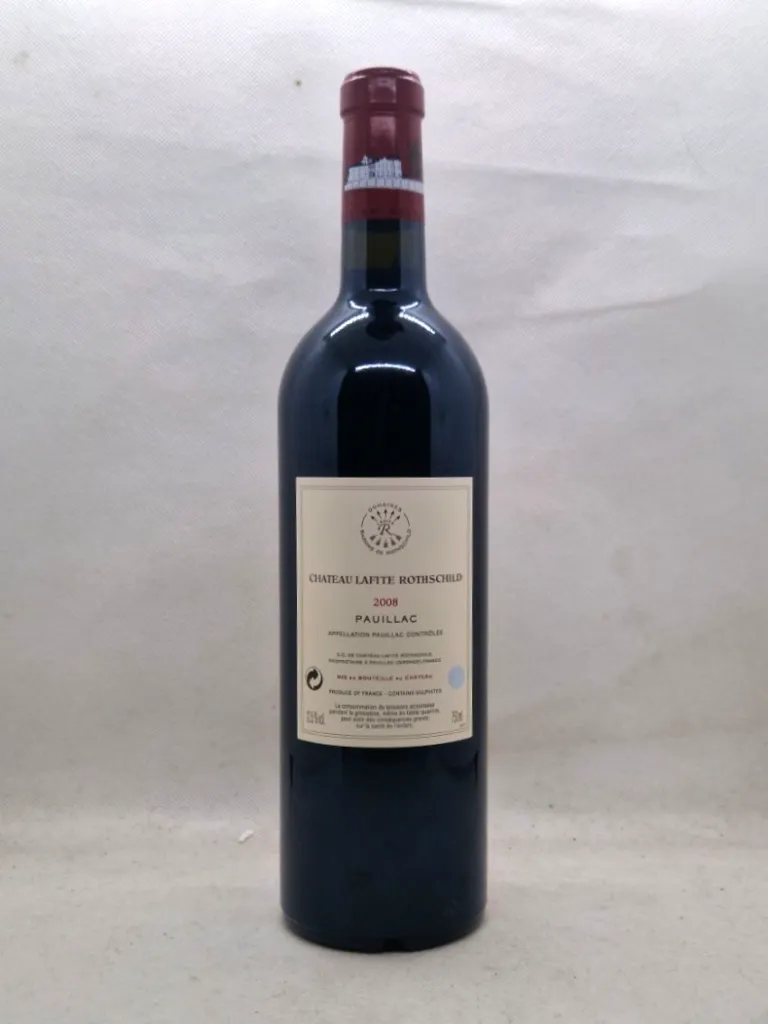
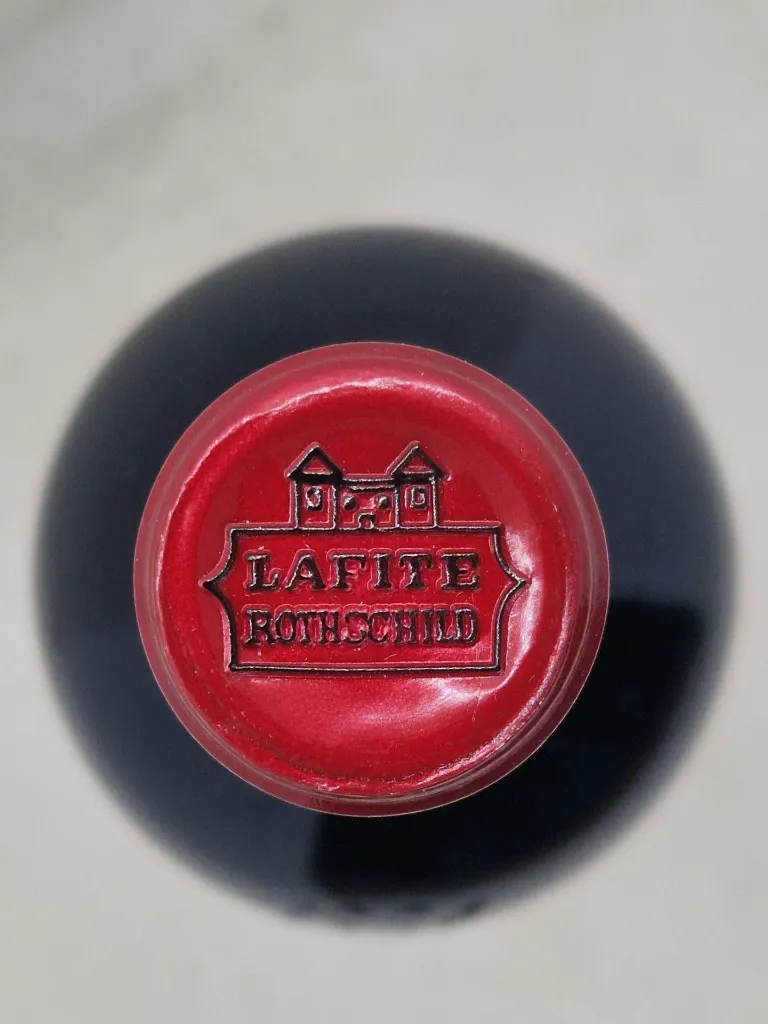
The Producer
The history of Château Lafite Rothschild dates back to the 13th century, when the estate is first mentioned as a vineyard property in 1234. Its true rise began in the 17th century under the influence of Jacques de Ségur, and then his son Nicolas-Alexandre, the famous "Prince of Vines," who helped to make Lafite wines known to the court of France and the great European families. In 1855, during the official classification of Bordeaux wines requested by Napoleon III, the estate was awarded the prestigious rank of Premier Grand Cru Classé. In 1868, it was acquired by Baron James de Rothschild, whose descendants still own it today.
Located on the gravelly slopes of the Pauillac appellation, the vineyard extends over a little more than 100 hectares, benefiting from an exceptional terroir composed of deep gravels resting on a limestone subsoil. Cabernet Sauvignon occupies a largely dominant place, complemented by Merlot, Cabernet Franc, and a small proportion of Petit Verdot. This mosaic of soils, combined with often old vines and particularly demanding viticulture, gives rise to wines of remarkable finesse, renowned for their elegance, aromatic precision, and extraordinary aging potential.
Today, Château Lafite Rothschild remains one of the absolute references of the Bordeaux vineyard and collectible wine. Under the direction of the Rothschild family, with Saskia de Rothschild at the helm of the estate since 2018, the property continues significant work to preserve its heritage while developing increasingly sustainable viticultural practices. The Grand Vin is accompanied by its second wine, Carruades de Lafite, as well as Anseillan, a more recent cuvée intended to express another facet of the Pauillac terroir. Vintage after vintage, Lafite Rothschild embodies the balance between tradition, innovation, and the constant pursuit of excellence.
The Wine
The distribution of grapes in wooden, stainless steel, or cement tanks is done according to the specificities of each plot and the degree of ripeness of the grapes. The alcoholic fermentation takes place at controlled temperature with regular pump-overs. Each tank is subject to careful monitoring and daily tasting to determine the best moment for racking. The maceration duration varies depending on each tank, but generally lasts around 22 days. The wines are then transferred into French oak barrels. Each barrel is tasted individually, and only the best are selected for the final blend.
Following the blending, the stage of aging and maturation of the wine in new oak barrels begins for 15 months.
Tasting
Dominant red fruit, the nose remains complex, very straight and clear. On the palate, one understands the solidity and classicism of this wine. There is fruit, substance, soft and tight tannins at the same time.
Scores and Notes
98
Wine Advocate
18/20
La RVF
95
James Suckling
94
Decanter